Evvent AS - UX Internship
Role:
UI/UX Intern (Dashboard Systems, Information Architecture, Component Documentation).
Tools:
Figma
The Mission:
Transition the product from a rigid template to a flexible, component-driven architecture.
Constraint (For this case study):
Pre-launch phase / NDA (Visuals focused on structure and system logic).
Breaking the Template
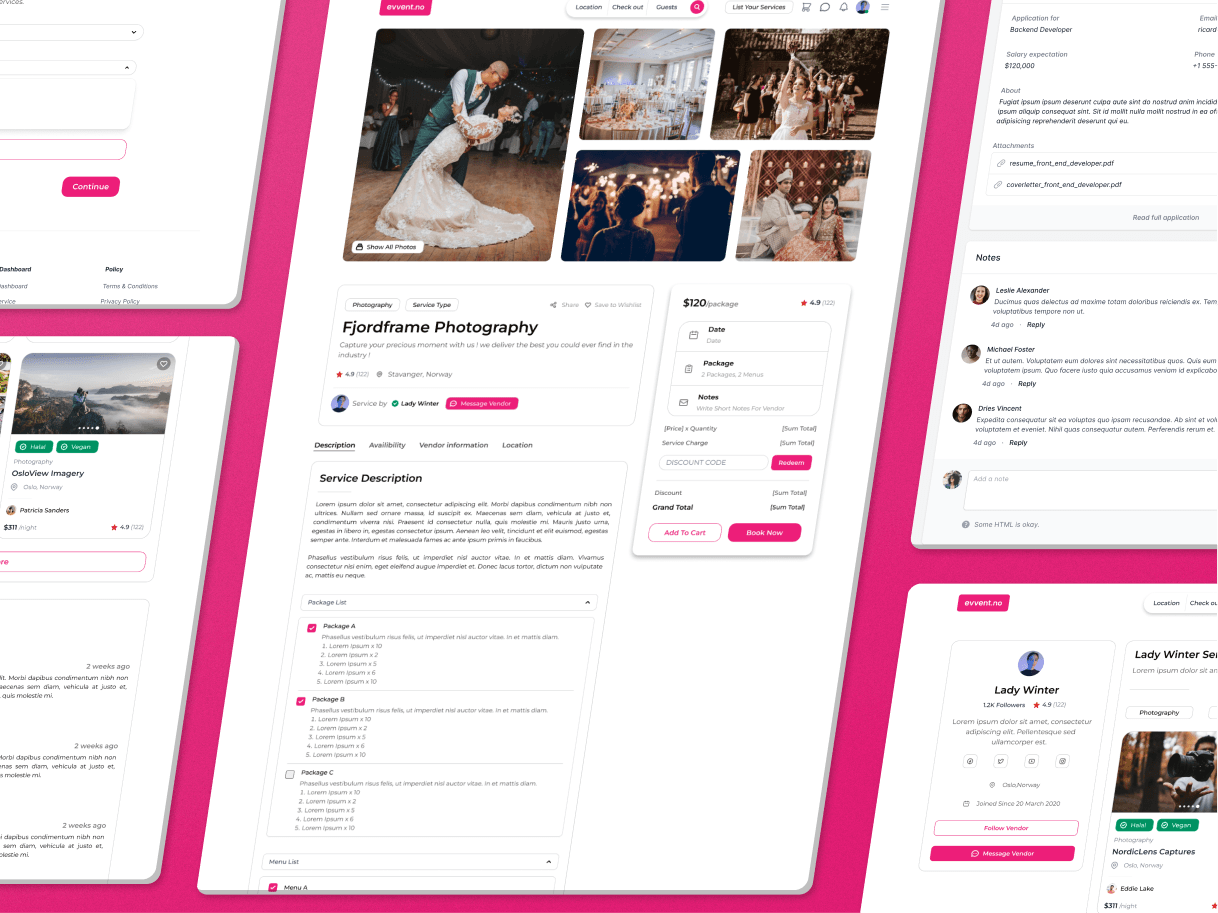
When I arrived, the development team was using a off-the-shelf template. While fast for MVP, it couldn't handle the Information Density required for professional sellers.
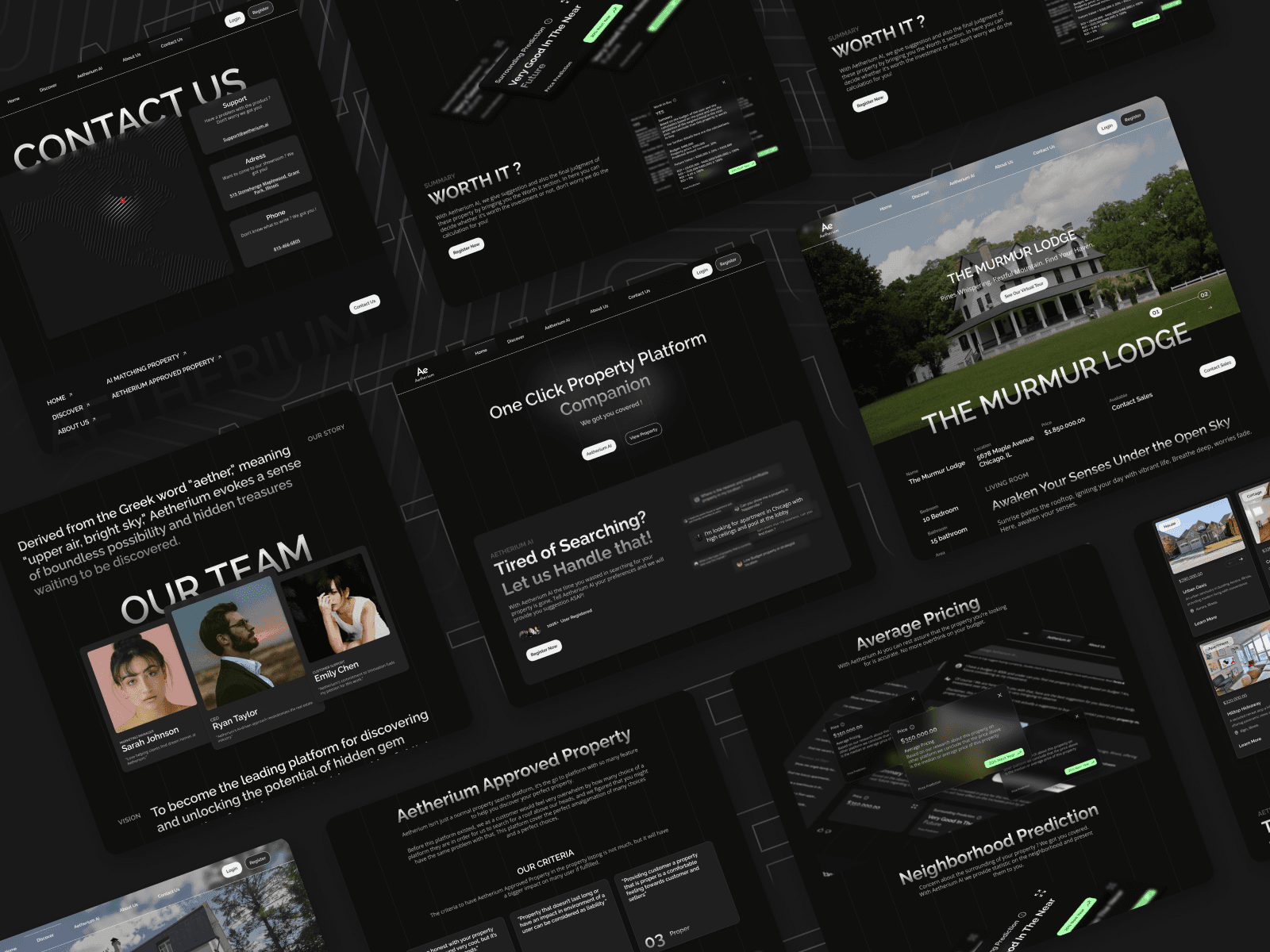
The Strategy: I conducted a UI Audit to identify "Structural Rigidity." I then proposed a shift toward a Modular Dashboard Layout. This allowed us to separate the "Noise" from the "Signal"—ensuring users only see the data relevant to their specific role.
Role-Based Architecture: Buyer vs. Seller
A marketplace fails if the interface treats all users the same. I mapped out distinct "Mental Models" for each side of the platform.
The Seller Dashboard (Profit-Centric)
The Insight: User feedback showed that sellers check Revenue before anything else.
The Solution: I prioritized a high-level KPI "Ribbon" at the top of the fold. I removed non-essential metrics to prevent "Dashboard Fatigue," focusing instead on performance tracking and detailed revenue breakdowns.
The Buyer Dashboard (Efficiency-Centric)
The Insight: Buyers are task-oriented; they want to know "What is the status of my event?"
The Solution: I designed a "Management-First" view. By implementing simplified service filtering and straightforward navigation, I reduced the cognitive load for users juggling multiple vendors.
The Scalable Component System
To ensure the platform could grow without me, I moved away from "designing screens" and started "designing systems."
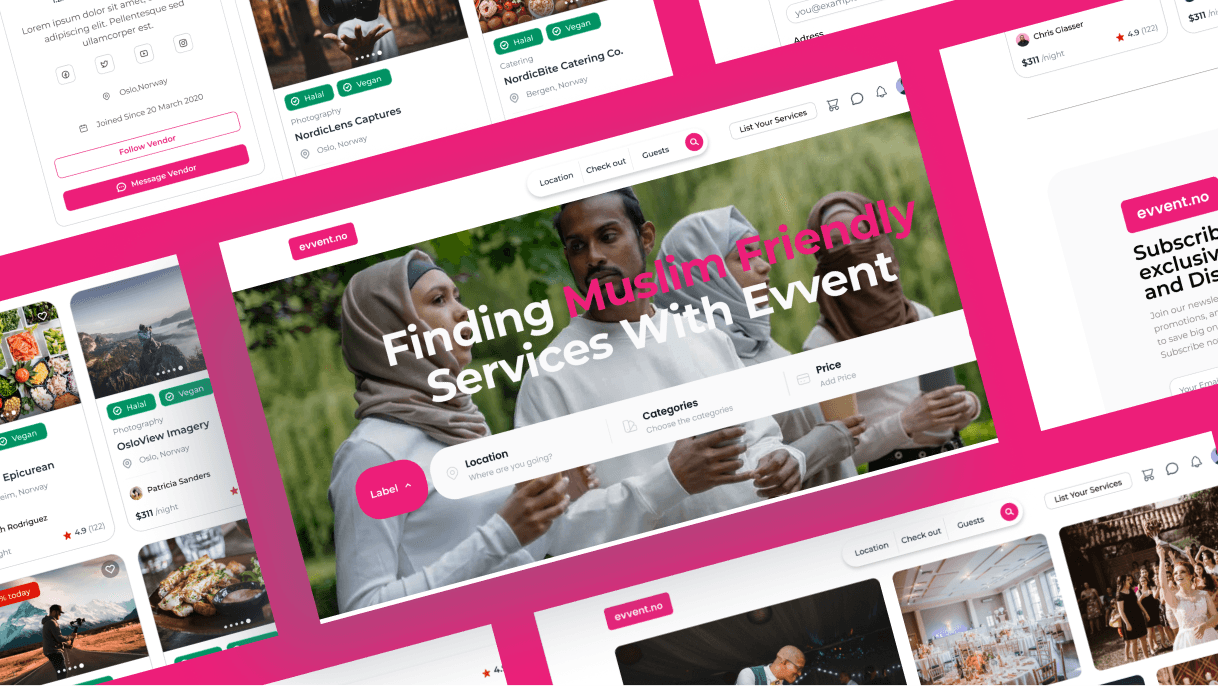
Consistent KPI Containers: I created a library of reusable card components for analytics. Whether the data is "Revenue" or "User Growth," the visual language remains consistent.
Documentation & Handoff: Since this was a remote role, I prioritized clear documentation. I established grid systems and expandable layout patterns that the engineering team could implement asynchronously with zero ambiguity.
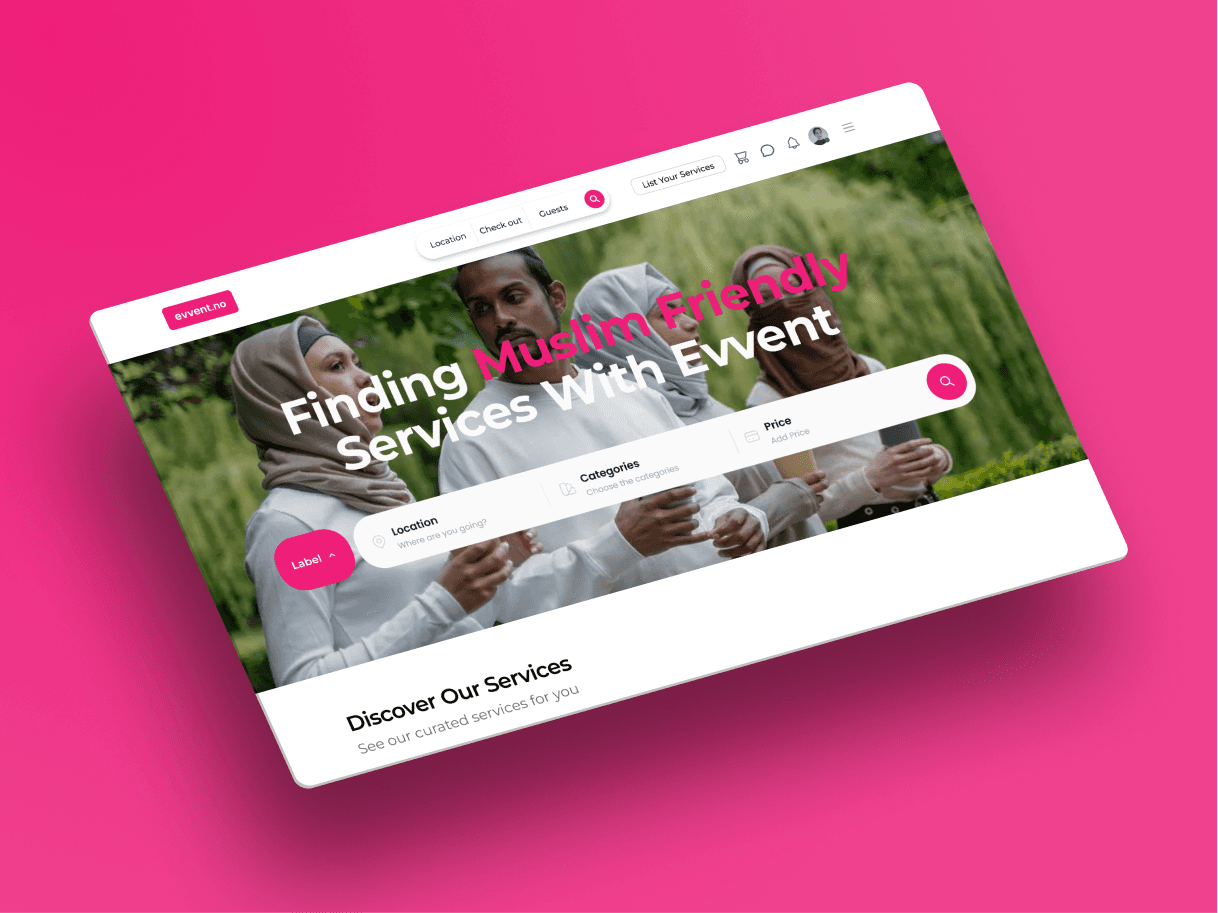
Homepage Refactor: I restructured the messaging hierarchy to guide users toward the "Primary Action" (Onboarding) within 3 seconds of landing.
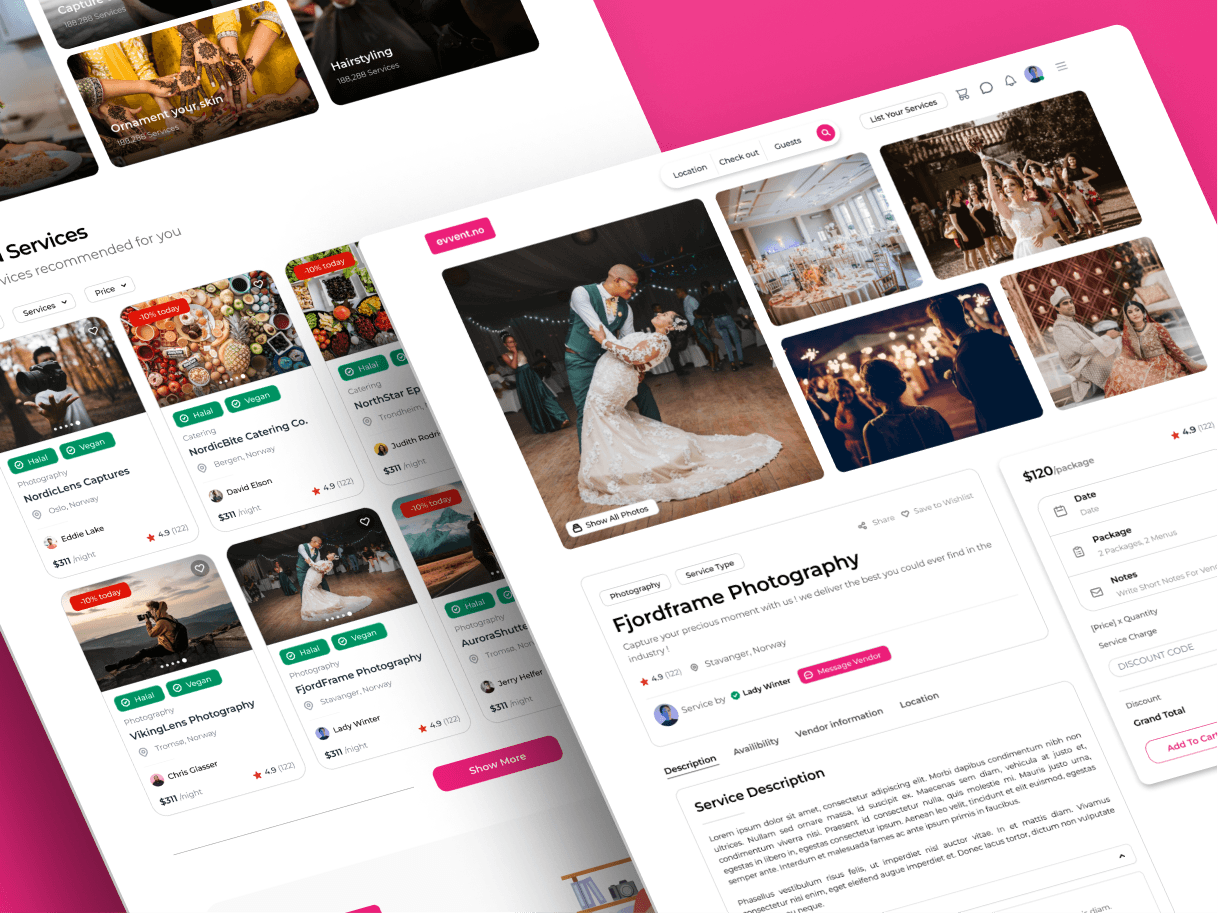
Impact & Reflection
My contribution shifted EVVENT from a "generic marketplace" to a professional-grade SaaS product.
System Readiness: The new component library reduced the design-to-development handoff time for new features.
Clarity over Complexity: By prioritizing revenue for sellers and filtering for buyers, we created a dashboard that feels "light" despite the heavy data behind it.
Learning: This internship taught me the importance of Technical Constraints. Designing within a system that is already in development requires a balance of "Ideal UX" and "Practical Implementation."

Recent Designs